Task Assignment & Tracking: The Backbone of Productive Teams
In every organization — whether a startup, real estate firm, or large enterprise — the ability to assign, track, and complete tasks efficiently defines the success of operations. Managing work manually through messages, calls, or notes often leads to confusion, missed deadlines, and wasted time. That’s where Task Assignment & Tracking Systems come in — bridging the gap between planning and execution with real-time clarity.
In today’s fast-paced business environment, clarity, accountability, and coordination are no longer optional; they’re the foundation of growth. Let’s explore how a structured task management system transforms ordinary teams into high-performing powerhouses.
1. The Purpose Behind Task Assignment Systems
The goal of task assignment is simple: ensure the right person does the right job at the right time. But simplicity in words often hides complexity in practice.
Without a structured process, tasks overlap, deadlines slip, and team morale suffers.
A good task assignment system:
- Defines who is responsible for what
- Provides clear deadlines and priorities
- Allows real-time monitoring of progress
- Tracks performance, completion rates, and bottlenecks
Instead of micromanaging, leaders get an overview of every project — while employees understand expectations with absolute clarity.
2. How Modern Task Tracking Works
Modern systems are powered by AI, automation, and data insights. They let businesses move away from spreadsheets and manual reporting toward real-time collaboration.
Here’s how it typically works:
- Create a Task: Define the objective, attach files, set deadlines, and assign a responsible person.
- Set Priority Levels: High, medium, or low — so teams know what matters most.
- Assign and Notify: The system automatically alerts the assigned member and keeps reminders active until completion.
- Track Progress: Managers can view each task’s live status — pending, in progress, or completed.
- Analyze Reports: At the end of the week or month, performance analytics highlight who performed best and where improvement is needed.
This creates a transparent environment where no task is forgotten and every contribution is visible.
3. The Human Side of Task Tracking
While automation handles reminders and reports, the real power lies in how task tracking enhances human collaboration.
It helps team members stay accountable not out of fear, but out of clarity and shared goals.
A transparent task board promotes:
- Mutual Trust: Everyone sees who’s working on what — reducing conflicts.
- Reduced Stress: No one feels lost or overburdened; workloads are balanced.
- Recognition: When someone completes a task ahead of time, their efforts are visible.
- Growth Mindset: Regular feedback loops turn every task into a learning opportunity.
When people know what’s expected and how their work fits into the bigger picture, motivation naturally increases.
4. Benefits for Business Owners and Managers
For business leaders, a structured system of task assignment & tracking means control without chaos.
Key benefits include:
✅ 1. Better Productivity:
Tasks are organized in one dashboard, minimizing wasted time and duplicate efforts.
✅ 2. Real-Time Progress Visibility:
No more asking, “What’s the update?” You can see live progress anytime.
✅ 3. Stronger Accountability:
Every employee has assigned tasks with clear due dates, eliminating confusion.
✅ 4. Smarter Delegation:
Managers can assign tasks based on skill sets, current workload, and past performance.
✅ 5. Automated Reporting:
Weekly or monthly reports generate automatically, saving hours of manual compilation.
✅ 6. Performance Insights:
Identify top performers and areas for improvement using visual dashboards.
✅ 7. Seamless Integration:
Connects easily with CRM, HRM, and communication tools for smoother workflow.
This means managers can focus on strategy, while the system handles execution tracking.
5. The Role of Technology in Task Management
The evolution of technology has taken task management far beyond checklists.
AI-driven platforms like Biz Control App, Asana, ClickUp, or Monday.com now offer predictive task suggestions, smart notifications, and automatic reminders that keep teams aligned.
Features that modern tools provide:
- Smart Reminders for upcoming deadlines
- Progress Graphs for visual clarity
- Role-Based Access Control for data safety
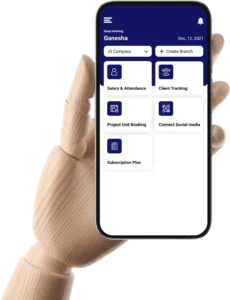
- Mobile Access for remote work monitoring
- Automated Reports for quick insights
- Chat and Comment Features for collaboration
For example, a property business can assign “Client Visit – Sector 150 Plot” to a sales executive, attach client details, and track completion in real time.
No phone calls, no confusion — just transparency.
6. The Psychology Behind Tracking Success
Human motivation is strongly tied to visible progress.
When employees can see their completed tasks turning green or their weekly performance graphs improving, it triggers a sense of achievement and self-worth.
A Harvard Business Review study found that making progress in meaningful work is one of the strongest motivators for employees — even more than financial rewards at times.
Hence, visual tracking tools directly contribute to employee satisfaction and retention.
7. Overcoming Common Challenges
While introducing task tracking systems, organizations may face some initial challenges:
- Resistance to Change: Some employees may feel monitored. Solution: Educate them that it’s about clarity, not control.
- Overloading Dashboards: Too many notifications can overwhelm users. Solution: Customize alerts smartly.
- Unclear Roles: If responsibilities are not defined clearly, confusion remains. Solution: Start with small teams and structured workflows.
Once these early hurdles are cleared, the system becomes a self-sustaining engine of efficiency.
8. Future of Task Management – AI and Predictive Tracking
The future of task tracking is predictive and proactive.
AI tools will soon analyze employee behavior, task durations, and workload patterns to predict delays even before they happen.
For instance, if a sales team consistently misses report submissions on Fridays, the system will automatically reschedule or remind them earlier in the week.
Such predictive insights can transform organizational planning, turning data into decision-making power.
9. Why Every Business Needs a Task Tracking Culture
Task management is not just about tools; it’s about culture.
When accountability and ownership are woven into daily routines, organizations grow faster and smoother.
A “tracking culture” means:
- Every task, big or small, has an owner.
- Deadlines are respected.
- Progress is celebrated.
- Mistakes are analyzed, not punished.
- Communication flows freely.
In such an ecosystem, innovation thrives because people feel empowered, not micromanaged.
10. Conclusion – Turning Effort into Measurable Progress
Task Assignment & Tracking is not just software — it’s a mindset of organized growth.
It transforms everyday work from chaos to clarity, from effort to achievement.
Whether you’re managing a real estate sales team, IT developers, or marketing executives, implementing a structured system will lead to fewer delays, higher satisfaction, and stronger results.
Property Booking & Real Estate Tech
https://www.instagram.com/biz.control?igsh=MTJtMzBleDBxdzZnYQ==