Inside Sales Team Tools: Empowering Sales with the Perfect Blend of Tech and Humanity
In today’s business world, selling isn’t just about numbers — it’s about understanding people. The modern Inside Sales Team relies on more than phone calls and spreadsheets; they depend on intelligent tools that help them connect, engage, and convert leads faster and smarter.
Let’s explore how Inside Sales Team Tools have transformed the sales game, creating a balance between automation and the human touch that customers value most.
1. What Is Inside Sales, and Why Does It Matter Today?
Inside sales refers to selling products or services remotely, often through calls, emails, or virtual meetings rather than face-to-face interactions. It’s efficient, scalable, and cost-effective — but most importantly, it’s personal when done right.
The success of an inside sales team depends on how well they understand their prospects, track interactions, and nurture relationships. This is where technology steps in — not to replace human connection, but to amplify it.
2. The Core Tools Every Inside Sales Team Needs
To build a strong inside sales engine, teams must use tools that simplify daily operations, enhance communication, and provide actionable insights.
a. CRM (Customer Relationship Management) Systems
A CRM is the heart of every inside sales team. It stores customer data, tracks every call, email, and deal stage, and helps salespeople stay organized.
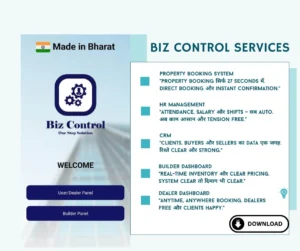
AI-powered CRMs like HubSpot, Salesforce, or Biz Control CRM take this to another level by automating repetitive tasks, predicting buyer behavior, and suggesting the next best action.
Humanized benefit: Sales reps spend less time typing notes and more time actually talking to customers.
b. Communication and Calling Tools
Inside sales thrives on strong communication. Tools like Zoom, Google Meet, or Cloud Telephony Systems (e.g., Exotel, MyOperator) make remote selling smooth and professional.
With auto-dialers and call recording, teams can handle more leads in less time, while maintaining quality and consistency.
Humanized benefit: Better call management means sales reps can focus on meaningful conversations, not manual dialing.
c. Email and Outreach Automation
Email marketing tools such as Mailchimp, Outreach, or Apollo automate follow-ups, reminders, and personalized sequences. AI even helps in writing subject lines that get noticed.
Humanized benefit: Automation takes care of timing — but personalization keeps the emotion alive.
d. Lead Generation and Prospecting Tools
Finding the right people is half the battle. Tools like LinkedIn Sales Navigator, Lusha, or ZoomInfo provide verified business contacts and insights.
Combined with CRM data, they allow inside sales teams to target the right audience — not just more people, but the right people.
Humanized benefit: Instead of cold-calling everyone, sales teams focus on prospects genuinely interested in their offering.
e. Team Collaboration Tools
Selling is a team sport. Platforms like Slack, Microsoft Teams, or Trello keep everyone connected, whether they’re in the office or working remotely.
Task management tools help sales leaders assign, monitor, and review progress in real time.
Humanized benefit: Transparency and teamwork replace confusion and miscommunication.
f. Analytics and Reporting Tools
Data is power — but only when it’s understandable. Tools like Google Analytics, Power BI, or Biz Control Reports help inside sales managers track conversions, call performance, and overall productivity.
AI-driven dashboards make it easy to see what’s working and where improvement is needed.
Humanized benefit: Data-driven insights lead to smarter decisions — not just guesses or assumptions.
3. How AI Is Redefining Inside Sales Tools
Artificial Intelligence has given inside sales a massive boost. From identifying the warmest leads to generating personalized messages, AI allows teams to close more deals in less time.
Some revolutionary applications include:
- Predictive Lead Scoring – AI prioritizes leads based on behavior and interest.
- Smart Email Assistants – Automatically generate messages tailored to tone and context.
- Sales Forecasting – Predict revenue and plan resources accurately.
- Sentiment Analysis – Understand emotions behind customer replies to adapt your approach.
Humanized impact: Instead of replacing the salesperson, AI becomes their silent assistant — guiding, reminding, and helping them connect better.
4. Why Human Connection Still Wins
Despite all the advanced tools, the best salespeople win because they understand one thing: people buy from people.
Technology handles the routine — the calls, the follow-ups, the reports — but empathy, trust, and timing still drive conversions. Tools enhance performance; humans close deals.
An ideal inside sales setup blends automation and authenticity. When tools work in the background, salespeople get to do what they do best — build relationships.
5. The Future: Smarter Tools, More Human Sales
The future of inside sales is hybrid — a mix of data intelligence and human emotion. Tools will continue to get smarter, offering insights in real time, automating more tasks, and connecting systems seamlessly.
But the heart of sales will remain the same — listening, understanding, and solving real human problems.
Conclusion: Technology with a Heart
Inside Sales Team Tools are not just about efficiency; they’re about empowering humans to sell with empathy and insight.
https://www.instagram.com/biz.control?igsh=MTJtMzBleDBxdzZnYQ==